Update: Guatemala's Drought Reaches Totonicapán Highlands, Wiping Out Corn for About 4,000 Families
The dry spell has spread beyond the country's traditional dry corridor into Maya farm villages, where World Vision says six in 10 households now have little or no food on hand and only 95 families in one village are set to get rations.
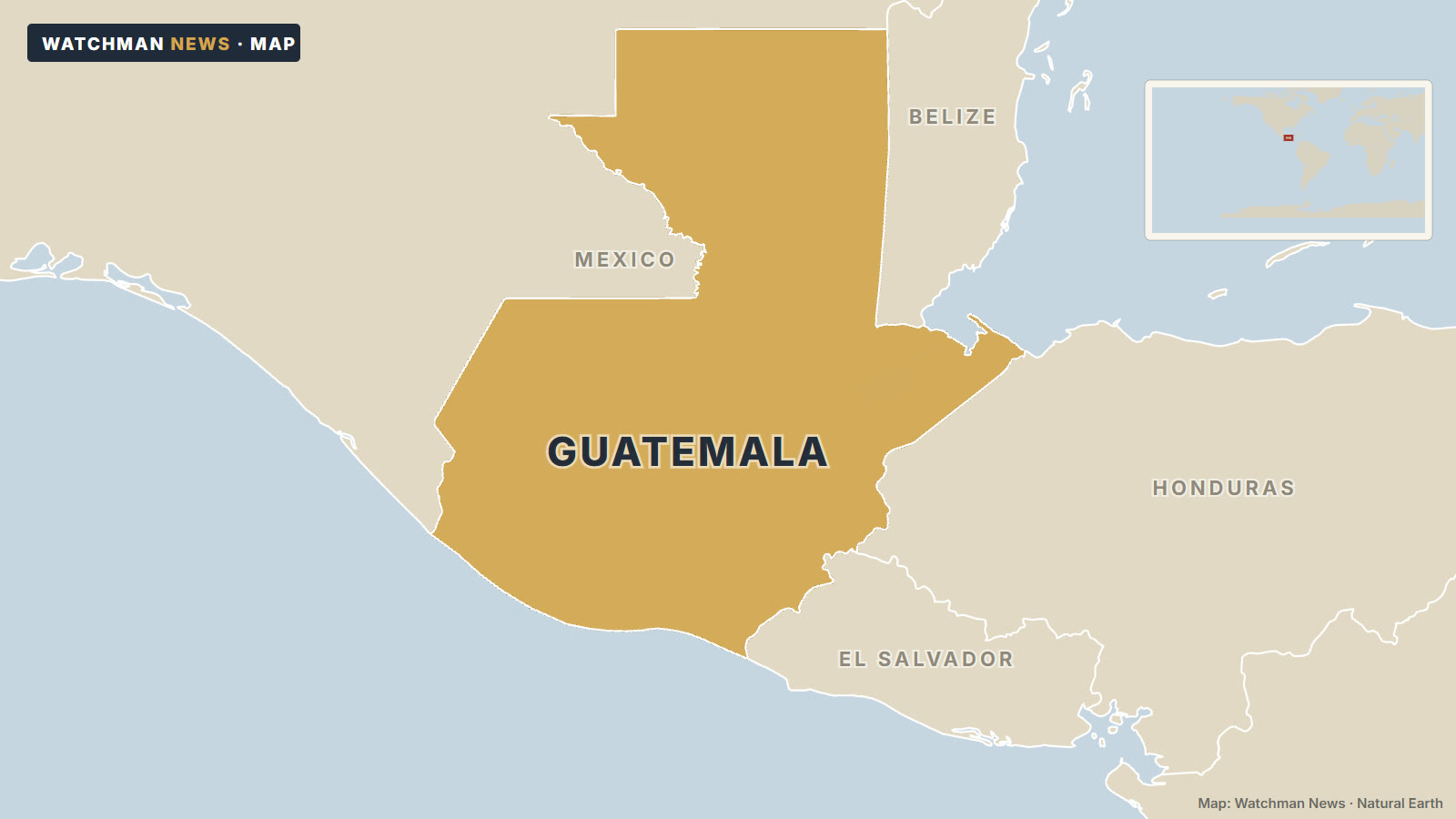 See where this is ›
SAN BARTOLO AGUAS CALIENTES, Guatemala —
The drought that has hit Guatemala's eastern dry corridor has now reached the highlands of Totonicapán, where about 300 hectares of corn were lost in the municipality of San Bartolo Aguas Calientes, Prensa Libre reported Nov. 16. Agriculture extension workers say about 4,000 families there lost their harvests, with losses of about 2.4 million quetzales, and the municipality is on red alert for drought.
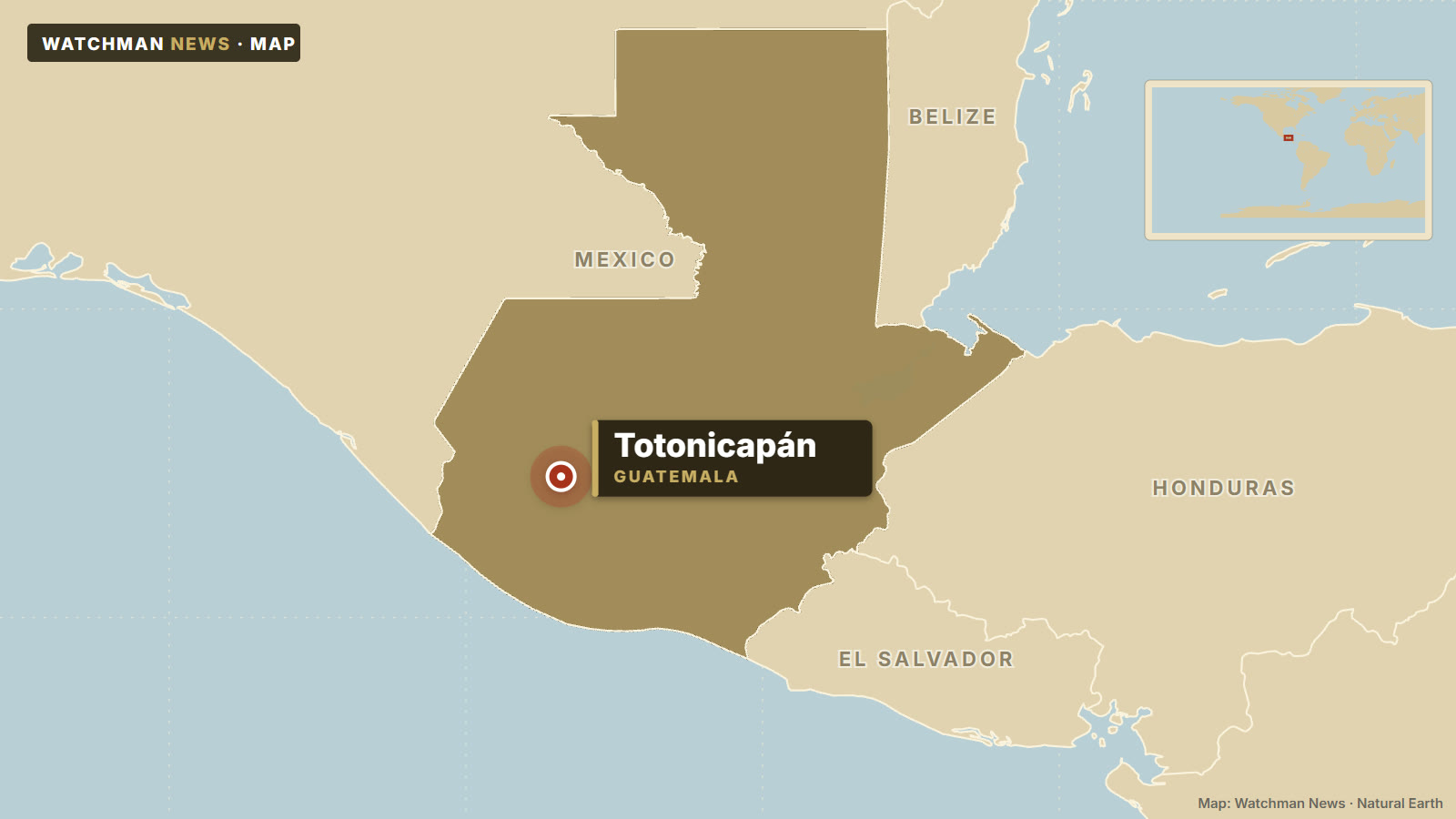 See where this is ›
Farmers in the village of Chocaluleu, about 220 kilometers from Guatemala City, told reporter Ana Lucía Ola that the corn plants stand only half a meter tall and the ears are empty. The area went 60 days in a row without rain before October, and nine of every 10 farmers in Totonicapán planted late. Edwin Rojas, director of the weather agency Insivumeh, said Sept. 30 that the late rains would not make up for the water missing from the soil.
Carlos Duarte, a researcher at the Institute of Agriculture, Natural Resources and Environment (Iarna), said climate change has pushed dry conditions beyond the traditional corridor of Zacapa, El Progreso, Jalapa, Chiquimula, Jutiapa and Santa Rosa, and that the highlands are drier than they were 10 to 15 years ago.
A study by the Christian relief group World Vision found that six of every 10 households in the area have critical or limited food supplies, 16% have sold their poultry and 5% have had someone migrate for work. “Without food available, a season of survival begins,” said Érick Calderón, World Vision's strategy manager, according to Prensa Libre (translated from Spanish). World Vision Guatemala is also handing out a corn seed developed with the national agricultural science institute, Icta.
Families are also being squeezed by costs. The price of urea fertilizer has risen 120%, and the Agriculture Ministry did not buy fertilizer for farmers this year and does not plan to in 2027, the paper reported. Laura Chávez, a single mother in Chocaluleu who weaves traditional skirts for about 75 quetzales a week, said her stored corn ran out in August and she has had to buy grain at double the price. Her 14-year-old daughter may not be able to stay in school. “A child with hunger does not learn,” Duarte said (translated).
The disaster agency Conred has set aside 500 million quetzales for 671,000 food rations expected in mid-November, but only 95 families in Chocaluleu, a village of more than 2,420 people, are to receive them, Prensa Libre reported. Germán García of the local food-security office, Sesan, warned that children could develop acute malnutrition, and the municipal emergency committee has been activated to manage aid with Conred.
What we don't know yet: When the rations will reach Totonicapán, and whether more families there will be added to the aid lists. Forecasters expect food to be critically short from November through January 2027. Watchman News reported Nov. 5 on how Guatemala's drought food fund will be spent.