Supreme Court Takes Up Kentucky Church's Fight to Build a Grotto
A Park Hills parish was blocked from building a shrine next door. The justices will decide whether that put a "substantial burden" on its religious exercise.
PARK HILLS, Ky. —
The U.S. Supreme Court has agreed to hear a Northern Kentucky church's bid to build a grotto honoring Mary on land next to its building, a case that could shape how zoning laws apply to houses of worship nationwide.
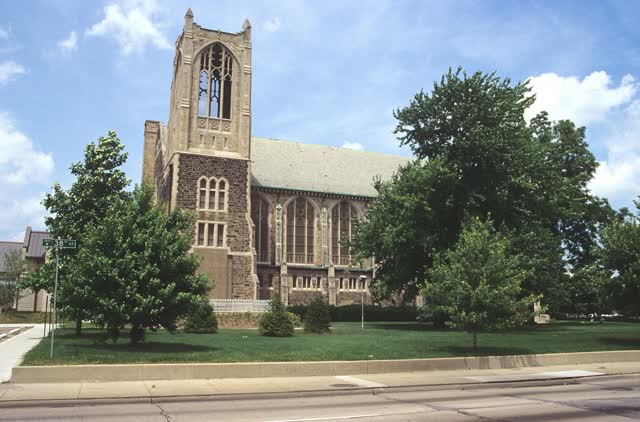
The Court granted review Oct. 1 in Missionaries of Saint John the Baptist v. Frederic, No. 25-1131. The religious order owns Our Lady of Lourdes church in Park Hills, built in 1930, and leases the neighboring lot where it wants to put the grotto.
The city's Board of Adjustment approved a conditional use permit and setback variances, and a circuit court sided with the church. But neighbors Joel and Elizabeth Frederic, who raised concerns about traffic, appealed. The Kentucky Court of Appeals unanimously reversed, ruling the board went beyond its authority by expanding the church's “nonconforming” use in a residential zone.
The Kentucky Supreme Court agreed with that result on different grounds, finding no violation of the federal Religious Land Use and Institutionalized Persons Act (RLUIPA) because the church had a workable alternative location.
The justices agreed to take up only one of the church's two questions: whether denying the permit put a “substantial burden” on religious exercise under RLUIPA. They declined a second question about whether the church was treated worse than a secular institution.
First Liberty Institute is among the church's lawyers. Kentucky Attorney General Russell Coleman and 19 other Republican attorneys general filed a brief supporting the church.