Steve Camp, Christian Singer Who Called Gospel Music Back to Scripture With '107 Theses,' Dies at 71
The Grammy-nominated singer of "Living in Laodicea" and "Run to the Battle" died after heart failure. His family said he "has finished his race."
 See where this is ›
Steve Camp, the Christian singer and songwriter whose “107 Theses” urged the Christian music business to put Scripture ahead of sales, has died at 71. He had been ill with heart failure and died Wednesday, Nov. 11, his family said in a statement, The Christian Post reported.
“Though our hearts are broken, we rejoice in knowing that Steve has finished his race,” the family wrote on Facebook. They said his greatest wish was to honor Jesus Christ, and they pointed to two verses, Acts 20:24 and 2 Corinthians 4:5.
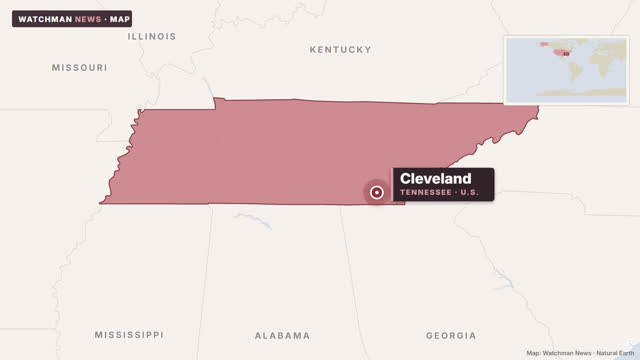
Camp recorded 22 albums, The Christian Post said, citing Cleveland.com. At least 15 of his songs reached No. 1 and more than 40 reached the Top 10. His duet with Michele Pillar, “Love's Not a Feeling,” from the album “Fire and Ice,” earned a Grammy nomination. Other songs included “Living in Laodicea,” “He Covers Me,” “Run to the Battle,” “He's All You Need” and “Stranger to Holiness,” from the 1985 album “Shake Me to Wake Me.”
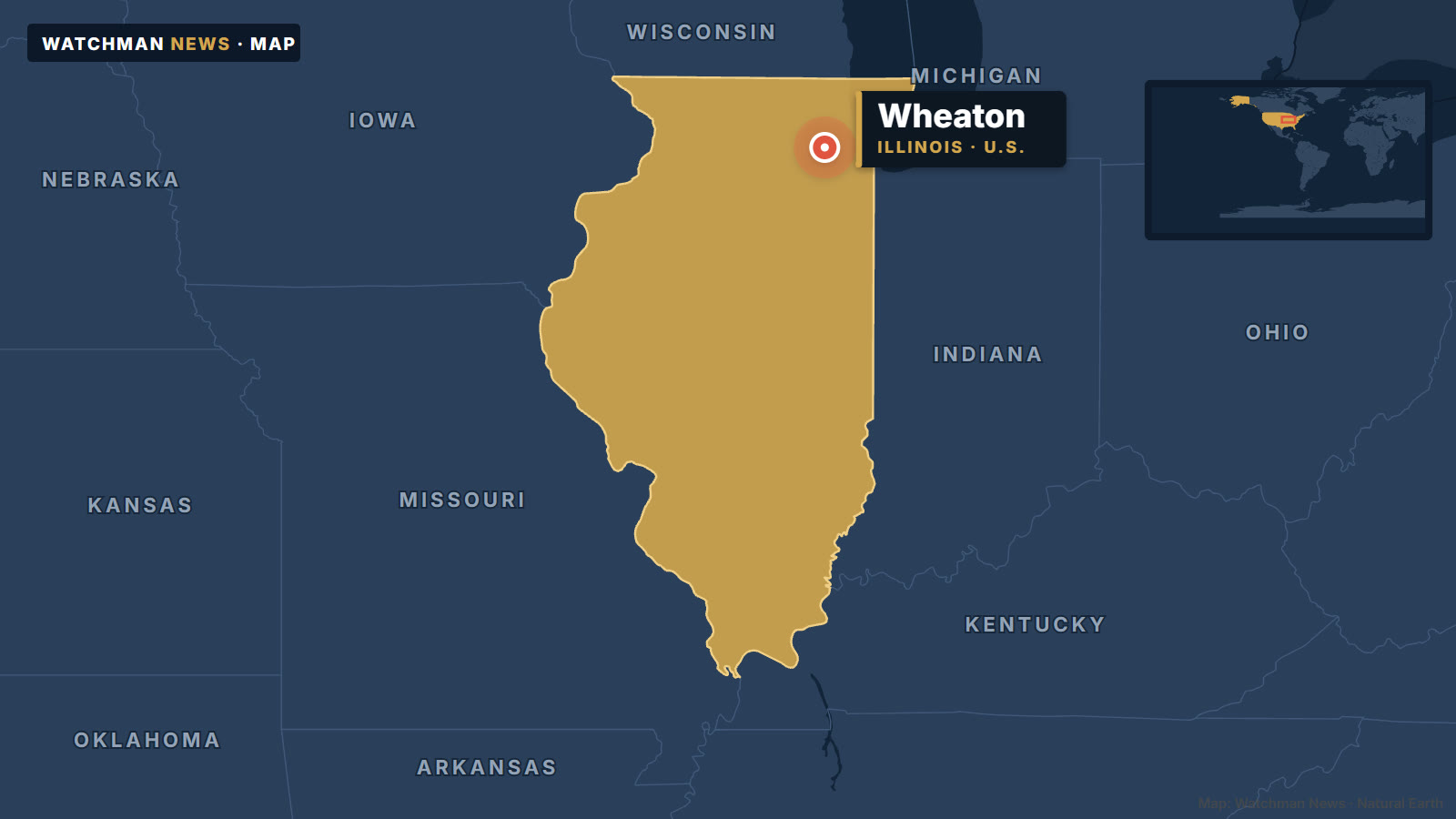
He was born April 13, 1955, in Wheaton, Ill., according to his Wikipedia biography, and named Larry Norman and Keith Green as early influences.
In the late 1990s Camp released his “107 Theses,” modeled on Martin Luther's theses at Wittenberg. They called on Christian musicians to keep their business dealings above reproach, to avoid partnerships with unbelievers and to “reclaim Christian music for Christ.” Baptist Press reported that he mailed copies, printed as 4-foot posters, to about 6,000 people. One line read: “Satan's number one assault on the church is to infiltrate with error.”
WORLD magazine reported in 1998 that the theses took aim at the commercial side of the industry, where secular companies owned most of the studios, and that Camp urged a return to the five solas of the Reformation. In 2013 he posted the theses again on his blog, warning about secular ownership of Christian radio stations, record labels, bookstore chains and publishers, and asking readers to pray for a Great Awakening. He signed that post “Still Pounding on Wittenberg's Door.”
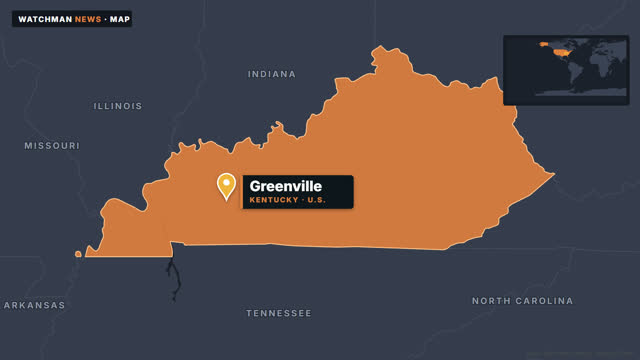
In later years Camp gave more of his time to preaching and ministry while keeping his music tied to his faith. In lectures at Southern Baptist Theological Seminary he criticized what he called “God is my girlfriend” songs. No funeral or memorial plans had been announced in the reports Watchman News reviewed.