Rebel Hideouts and Byzantine Church at Horvat Burgin Open to Visitors in Judean Foothills
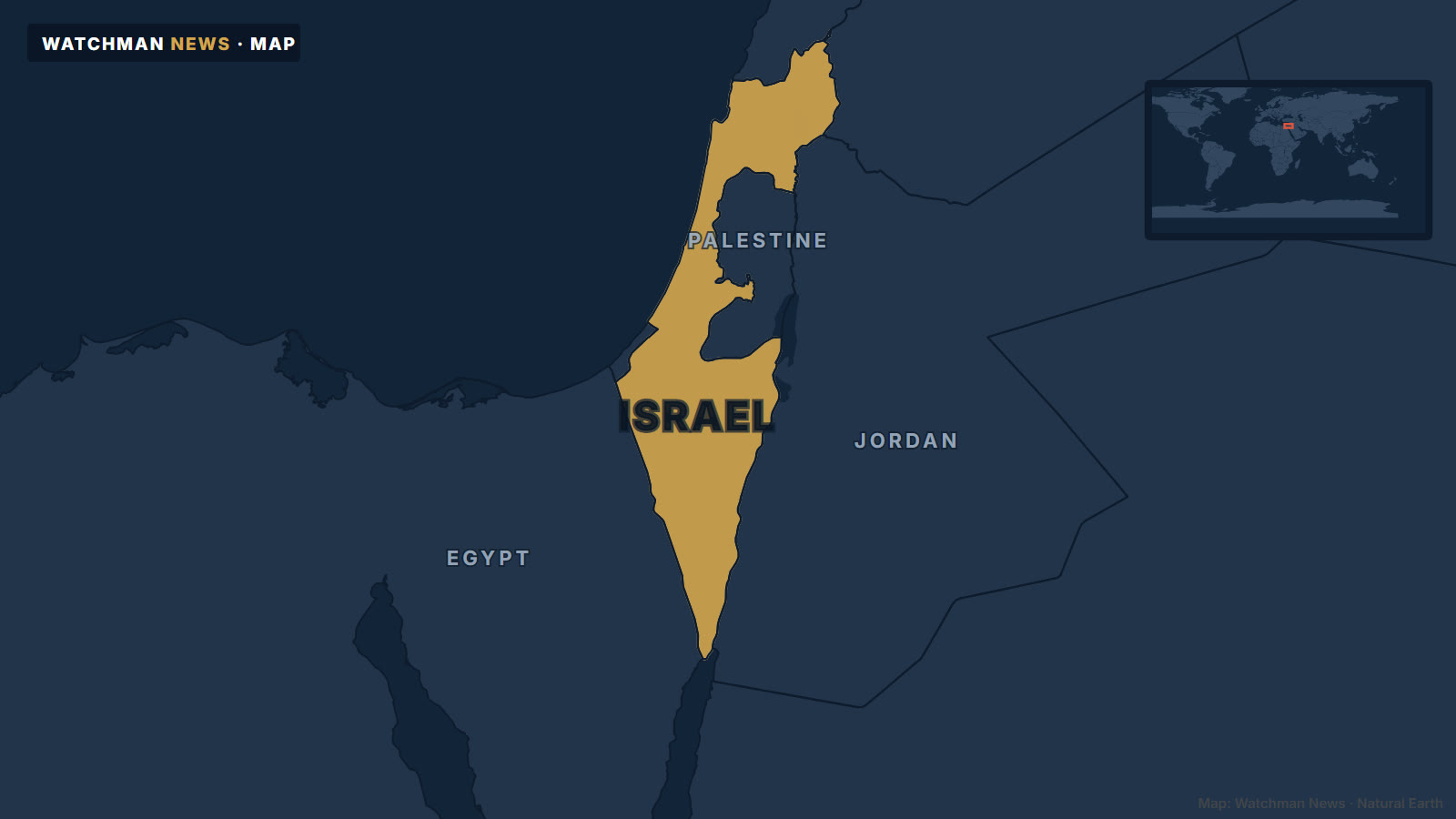
Looters damaged the ancient village for years. Now the site, which some researchers link to a village named by Josephus, is open to the public in Adullam-France Park.
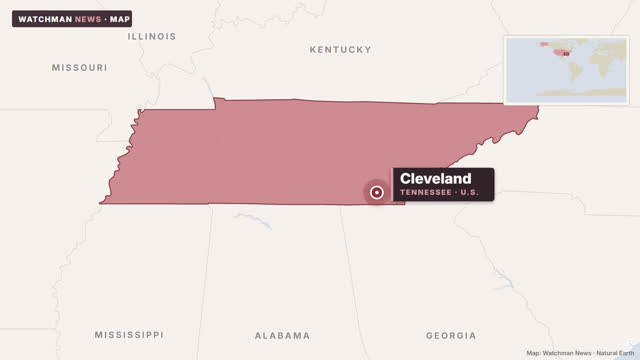
 See where this is ›
ADULLAM-FRANCE PARK, Israel —
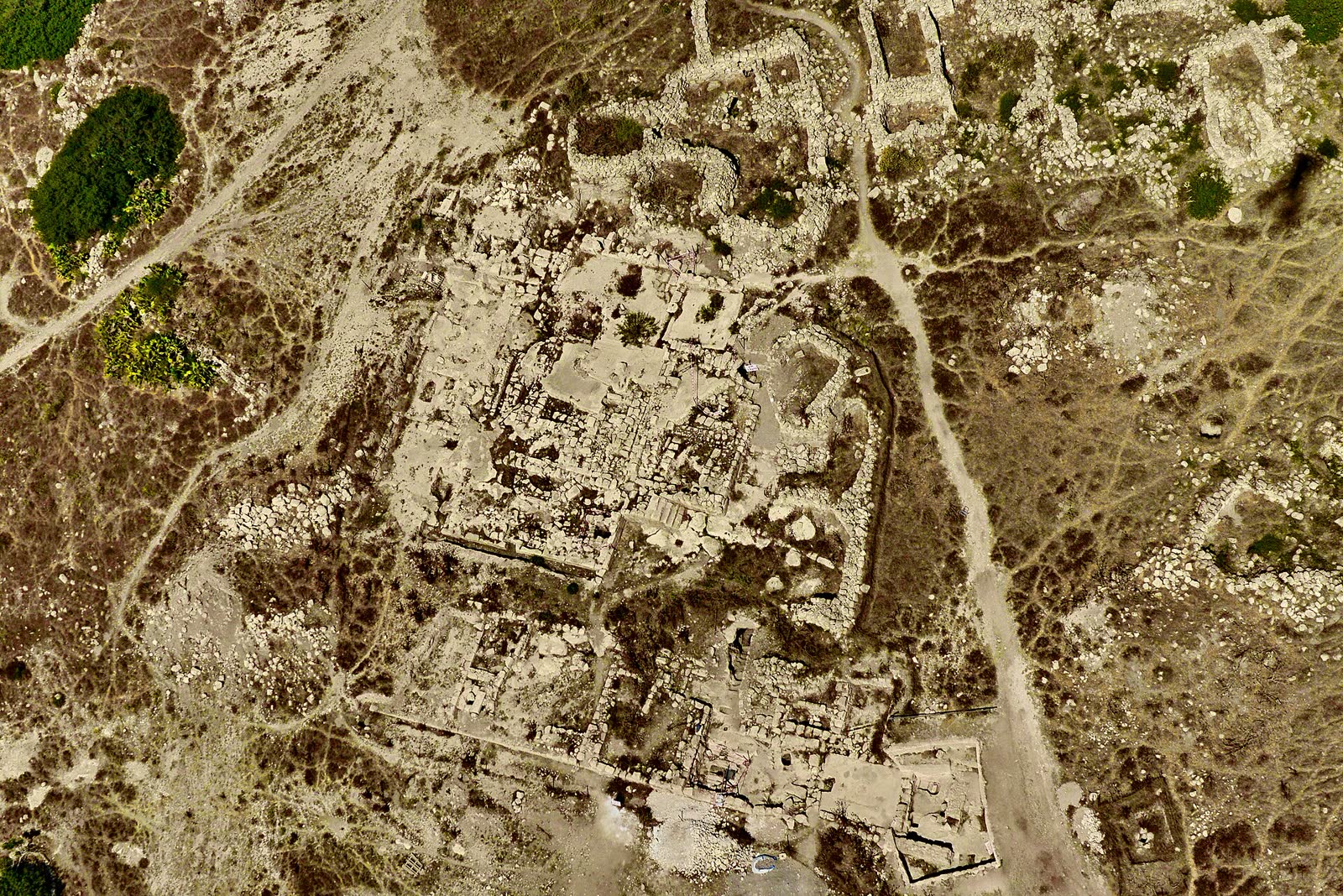
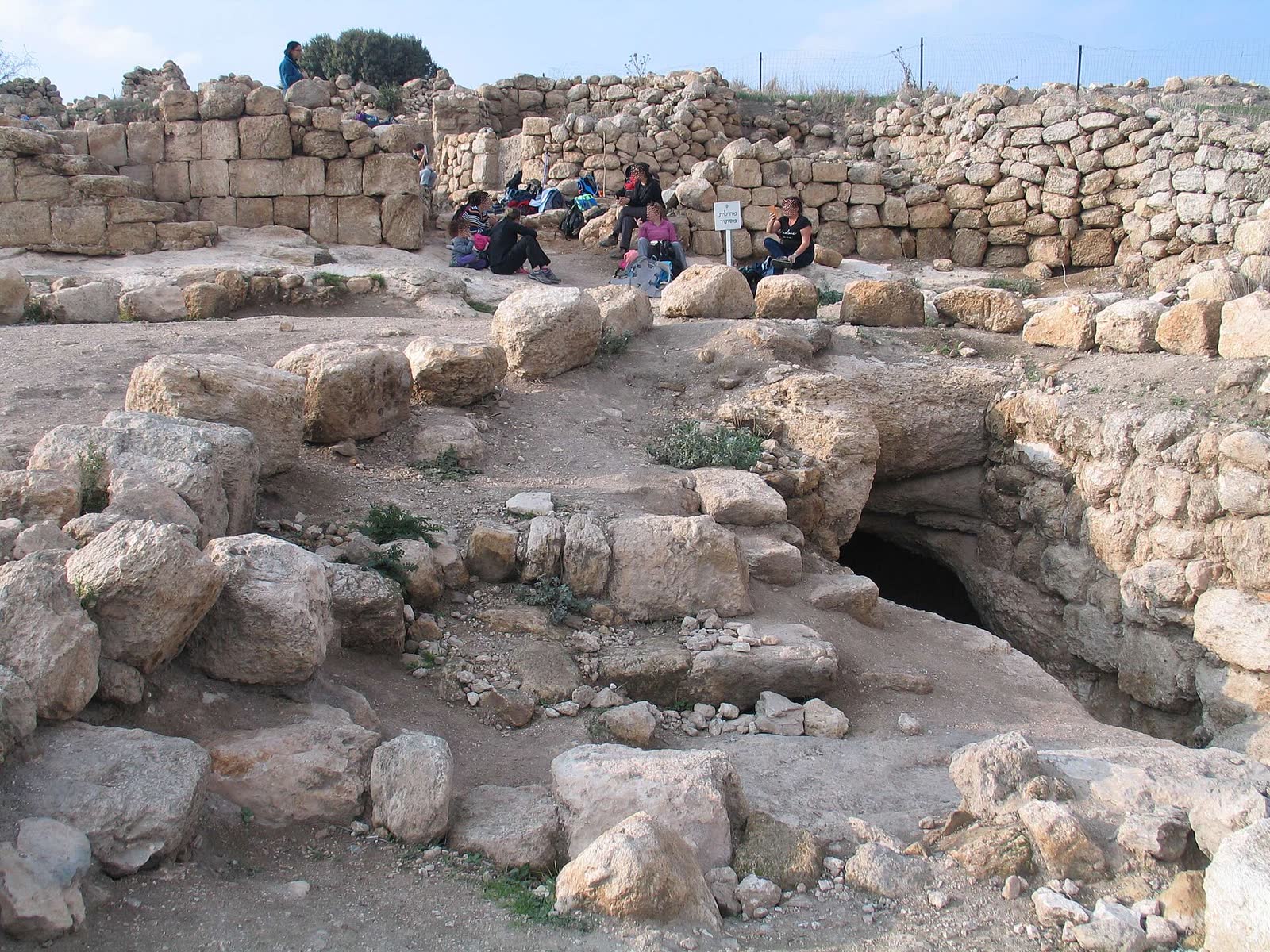
The ancient site of Horvat Burgin in Adullam-France Park, in Israel's Judean Foothills, opened to visitors this past weekend, the Tazpit Press Service reported Nov. 12 in an item carried by JNS. The site includes rock-cut tunnels used as hideouts by Jewish rebels about 2,000 years ago and the remains of a Byzantine-era church and monastery paved with colorful mosaics.
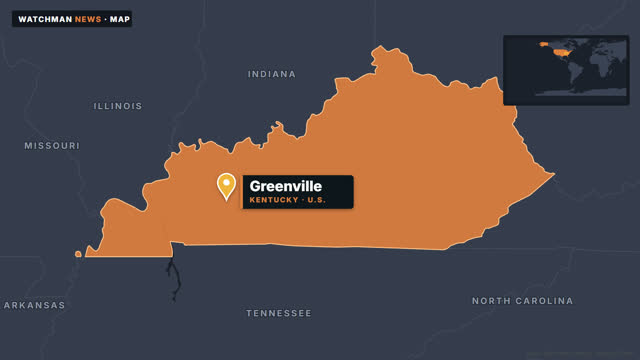
 See where this is ›
The opening was announced jointly by KKL-JNF, the Israel Antiquities Authority and the Mateh Yehuda Regional Council, capping years of excavation, conservation and development work.
 See where this is ›
Excavations led by Dr. Amir Ganor, Alon Klein and Dr. Peter Gendelman found a settlement used from the Second Temple period through Ottoman times. Researchers suggest the large Second Temple-era village may be Caphar Bish, a village named by the first-century Jewish historian Josephus.
The tunnels and hiding networks were carved into the bedrock in the Early Roman period as tensions with Rome grew. The village was destroyed in the Bar Kokhba Revolt of A.D. 132-136; a pagan population later rebuilt above ground and cut burial complexes beneath it. A church and monastery rose on the site in the Byzantine era. Dovecotes and winepresses nearby point to pigeon breeding, farming and winemaking.
Ganor, who heads the antiquities authority's Antiquities Theft Prevention Unit, called Horvat Burgin the largest ancient settlement in the area. He said looters damaged its burial caves and tunnels for years until enforcement, arrests of looting gangs, rescue excavations and the park's opening stopped them. “The site was saved,” Ganor said, “and now it can be enjoyed by the public.”
The report did not give visiting hours or admission details.